
Virtual Registered Dietitian care · British Columbia
GLP-1 Nutrition Support with a Registered Dietitian
Eat well during GLP-1 treatment – and build habits that last beyond it.
Whether you’re starting, taking, transitioning off, or already stopped Ozempic, Wegovy, Mounjaro or Zepbound – this is for you.
Get personalized guidance on what to eat for sustainable weight loss, long-term health, muscle maintenance, and a healthier relationship with food.
Book Your Complimentary ConsultationFor busy professionals who want clarity on what to eat for weight loss on a GLP-1 – and how to maintain progress beyond it.
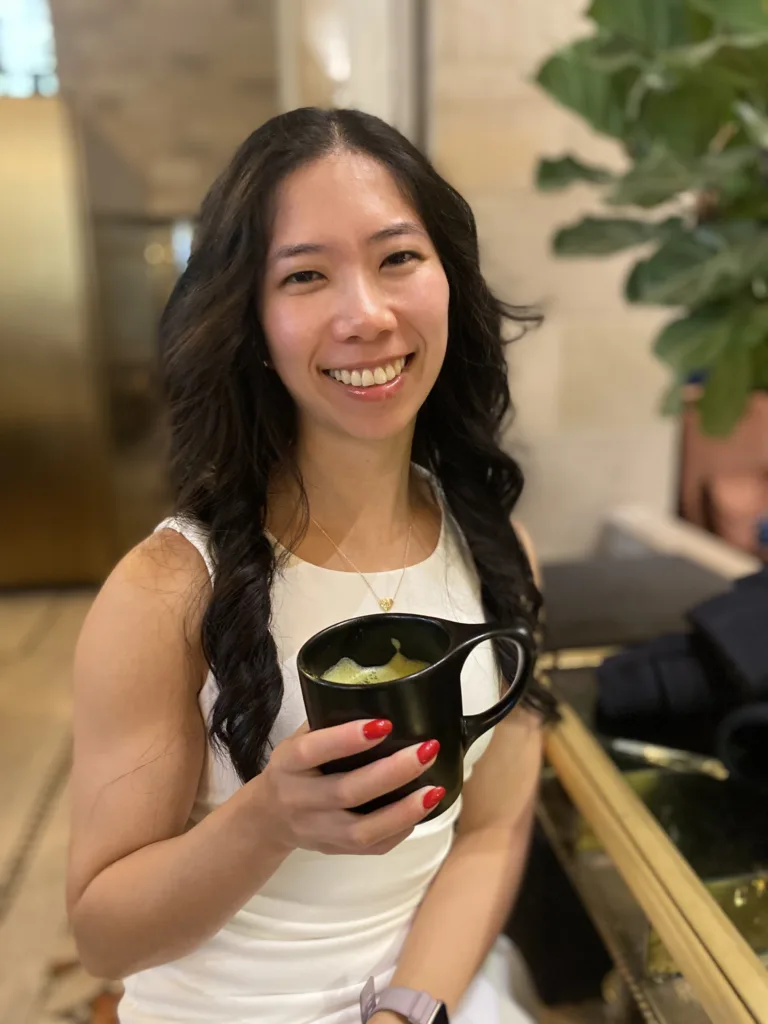
Founder of Diet Redefined
Nutrition Support Before, During and After GLP-1 Treatment
Your nutrition needs – and the challenges you face – can change throughout treatment.
Preparing to start a GLP-1
Build a strong nutrition foundation from the start.
We’ll help you structure meals, prioritize key nutrients, and create a realistic routine that fits your lifestyle and supports sustainable weight loss.
Currently taking a GLP-1
When you’re less hungry, simply “eating less” isn’t always better. We’ll help make sure the food you eat counts.
Get personalized guidance on calories, protein, meal structure, appetite changes, and muscle maintenance to support sustainable weight loss.
Reducing or stopping a GLP-1
Planning to reduce or stop your GLP-1, or already stopped and noticing increased hunger or weight regain?
We’ll help you navigate changes in hunger and cravings, strengthen your meal structure, and develop real-life strategies to help maintain your progress beyond GLP-1 treatment.
A GLP-1 Plan That Works In Real Life
You’re juggling meetings, dinners out, travel, and the daily question of what to eat. Your nutrition plan should fit your life, not just one stage of treatment.
Some days your appetite is low, meals get pushed back, or nausea, fullness, constipation, or low energy make eating well harder than expected.
You don’t need another set of food rules. You need practical strategies that work on a normal, busy Tuesday – even when your appetite or energy is low.
Our goal is to help you build eating habits, structure, and skills that support your health, sustainable weight loss, and long-term progress – whether you’re on a GLP-1 or your treatment changes.
How a GLP-1 Dietitian Can Help: Our 4S Framework
Our 4S Framework gives you a clear path from knowing what to eat, to actually making it work in real life. We focus on your relationship with food, meal structure, everyday systems, and skills to maintain progress long term — whether you’re on a GLP-1 now or treatment changes later.
Shift
Build a healthier mindset and relationship with food as food noise, hunger, and cravings change.
Structure
Create realistic meals and eating patterns that support adequate nutrition, protein, fibre, muscle maintenance, and sustainable weight loss.
Systems
Build practical routines for busy workdays, low-appetite days, eating out, travel, grocery shopping, meal planning, and getting enough protein when eating feels harder.
Sustain
Adjust your plan as your appetite, treatment, and life changes – so you can maintain progress long term – with or without medication.
It’s not just about eating less
What To Eat On Ozempic And Other GLP-1 Medications
A good starting point is smaller, more frequent meals that include protein, fruits or vegetables, carbohydrates, and enough fluids – adjusted to your appetite, symptoms, preferences, and nutrition needs .[1]
What this can look like: Keeping convenient protein-rich foods on hand, using smoothies when solid food feels like too much, adding energy-dense foods like peanut butter or oils when appetite is low, and having smaller meals ready for low-appetite days.

Learn how to eat – not just eat less
GLP-1 medications can make it easier to eat less, but smaller portions alone don’t necessarily build the skills you’ll need long term.
We’ll help you learn how to structure meals, respond to hunger and fullness, and make food choices that support your goals — so you’re building habits you can rely on even if appetite or treatment changes.
Get enough protein to help maintain muscle as you lose weight
Protein from foods like chicken, fish, eggs, Greek yogurt, cottage cheese, tofu, beans, lentils, protein shakes, or protein bars can help support muscle maintenance as you lose weight. Your dietitian can help you spread protein across meals and snacks in amounts that feel manageable.
Make smaller meals count
When appetite is very low or you get full quickly, it can be difficult to meet your energy and nutrient needs.
We’ll help you build smaller, nutrient-dense meals and snacks that feel manageable and support weight loss, while still providing enough nutrition for energy, muscle maintenance, and overall health.
Support hydration and digestion
We’ll help you find realistic ways to meet your fluid and fibre needs when appetite is low or constipation, fullness, or nausea make eating and drinking harder.
A GLP-1 Meal Plan Designed to Teach You How to Eat
Your personalized GLP-1 meal plan gives you a practical starting point with meals, portions, and ideas that fit your needs.
The goal isn’t to follow it perfectly forever – it’s to help you understand how to build balanced meals, and adapt your eating as appetite, schedule, and treatment change – to learn how to eat for life.
We also plan for the less predictable parts of real life – busy workdays, takeout, restaurant meals, travel, low-appetite days, and day when cooking just isn’t going to happen.
Learn more about how we personalize meal plans.
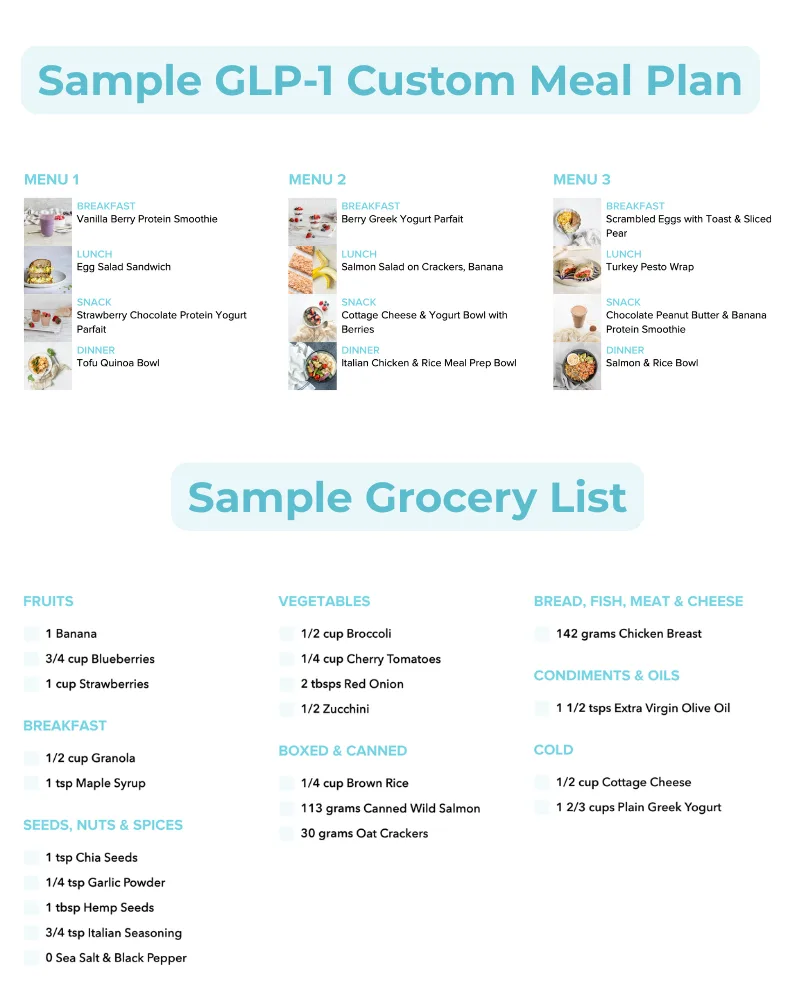
A quick breakfast on the go
Greek yogurt with fruit and nuts, or a high protein smoothie to sip on on-the-go.
A lunch you can repeat
Chicken or tofu with rice and cooked vegetables. Use leftovers, change the seasoning, or swap the protein for flexibility.
A dinner you can adapt
Pasta with meat sauce, or fish with potatoes and vegetables. Adjust portions and ingredients based on your appetite, preferences, and what you already have on hand.
These are illustrative meal ideas, not a complete daily menu or a prescription. Portions, ingredients and eating frequency need to account for your appetite, allergies, medical needs and tolerances.
Nutrition support after treatment
Worried About Weight Regain After Stopping Ozempic or Another GLP-1?
Weight regain is common after stopping GLP-1 medications. [4][5]
Hunger, cravings, and food noise can increase as treatment changes.That’s why having a transition plan can help you maintain your progress long term – whether you plan to reduce or stop treatment, or you’ve already stopped and notice hunger or weight starting to come back.
A practical plan for maintaining progress after GLP-1 treatment
When hunger or cravings increase after reducing or stopping a GLP-1, the eating habits that worked during treatment may need to change. We’ll help you adjust meal structure, portions, and routines to support continued progress and reduce the risk of weight regain.
This may include making meals more satisfying, planning for higher-hunger times of the day, managing cravings, and creating realistic strategies for busy workdays, eating out, travel, and stressful weeks.
The goal is to help you maintain your progress with eating habits and routines you can continue relying on long term – even if you’re no longer on a GLP-1.
When Nausea, Fullness or Constipation Make Eating Difficult
Nausea, fullness and constipation can make it harder to eat enough or follow your usual routine. We can help you adjust meal timing, portions, food choices and hydration so eating feels more manageable.
Seek medical advice for severe or persistent abdominal pain, repeated vomiting, or difficulty keeping fluids down.[3]
Maintain Muscle As You Lose Weight
Muscle loss can occur while on a GLP-1, making protein intake and resistance exercise especially important for maintaining muscle.
We can help with the nutrition side and encourage an activity plan that is appropriate for your health and goals.[1]
What Working Together Looks Like
We provide ongoing nutrition support, not a one-time meal-plan. We get to know you, build a starting plan together, and adjust it as your needs change – whether you’re preparing for, currently taking, adjusting, or going off GLP-1 medication.
Start with a complimentary consultation
This is a chance to explore your goals, what’s challenging, and see whether it may be a good fit. If so, we’ll share next steps. If not, we’ll help point you in the right direction.
Understand the full picture
We review your eating patterns, health history, medications, preferences, routines, and current challenges.
Build your plan
Together, we identify nutrition priorities, practical meal ideas, and routines you can start using right away.
Adjust as you go
Ongoing support helps us review progress, troubleshoot challenges, and adapt your plan as your appetite, goals, or treatment change.
Explore our Registered Dietitian weight loss program, or read about what happens in online nutrition counselling.
For busy professionals who want clarity on what to eat on a GLP-1 – and how to maintain progress beyond treatment.
Sustainable Weight Loss Support for Real Life
Helen founded Diet Redefined to help busy professionals approach weight loss with more confidence – and less restriction.
That means learning how to fit the dinner out, familiar comfort food, and weeks when your schedule changes last minute into your weight loss plan. The goal is to learn how to make informed nutrition choices for yourself, rather than trying to make every meal perfect.
Virtual GLP-1 Nutrition Support in British Columbia
Meet virtually with a Registered Dietitian from anywhere in British Columbia.
We provide personalized GLP-1 nutrition support for people using medications such as Ozempic, Wegovy, Mounjaro and Zepbound, with guidance tailored to your nutrition needs, weight goals and stage of treatment.
Our team supports clients across BC, including Vancouver and surrounding communities. Explore our Vancouver dietitian services or find a Dietitian near you.
GLP-1 Nutrition Questions
Why see a dietitian if the GLP-1 is already helping me lose weight?
Because weight loss is only part of the picture. A GLP-1 may make it easier to eat less – but it doesn’t automatically help you meet your nutrition needs, get enough protein, or build eating habits you can rely on long-term.
Our Diet Redefined dietitians help you build habits for sustainable weight loss while getting the nutrients you need – both while you’re taking a GLP-1, and if treatment stops – to help you maintain your progress long term.
Do you support people taking Ozempic, Wegovy, Mounjaro and Zepbound?
Yes, our weight loss and nutrition support can be tailored around these prescribed treatments. This page also covers nutrition support for people using dual GIP/GLP-1 treatments such as tirzepatide. The medications and their instructions are not interchangeable. Your prescriber handles medication selection, doses and monitoring; we focus on food and nutrition.[2]
How much protein should I eat on a GLP-1?
There isn’t one protein target that’s right for everyone. We’ll help determine an appropriate amount based on your body weight, activity level, goals, and appetite — then show you how to spread it across manageable meals and snacks, even when appetite is low.
Are there foods I have to avoid on Ozempic or Wegovy?
There isn’t a universal list of foods you have to avoid on Ozempic or Wegovy. Food choices depend on your preferences, symptoms, and nutrition needs. Smaller, simpler, lower-fat meals may feel easier if you’re dealing with nausea or fullness.[3]
Can you help if I’m not losing weight or my weight loss has plateaued on Ozempic?
Yes. If your weight loss has slowed or plateaued, we can review your eating patterns, meal structure, protein intake, portions, activity, and other factors that may be affecting progress. We’ll help you identify practical nutrition changes without assuming the answer is simply to eat less.
Can I get support before starting medication or if my treatment changes?
Yes. You can start working on meals, routines, and nutrition before starting a GLP-1, and we can adjust your plan if your treatment changes.
Can a dietitian help after I’ve already stopped Ozempic?
Yes. We can review your current eating patterns, hunger, cravings, weight changes, and goals, then build a practical plan to help you move forward.If you’ve regained weight, we can help you adjust your meal structure, routines, and strategies to prevent further weight gain and support continued progress.
Can I keep weight off after stopping a GLP-1?
Weight regain can happen after stopping a GLP-1, but a clear transition plan can help support long-term progress. Research has documented weight regain after treatment withdrawal.[4][5] We can help you adjust meal structure, portions, and routines as your appetite changes so you’re better prepared for the transition.
What if I also have diabetes or another nutrition-related concern?
Yes. Your nutrition plan should account for your overall health needs — not just your GLP-1 medication or weight goals. We can tailor recommendations around concerns such as diabetes, pre-diabetes, PCOS, blood sugar management, cholesterol, and digestive issues. You can also learn more in our guide to nutrition and blood sugar management
How much does the program cost, and can I use extended health benefits?
Your introductory consultation is complimentary. We’ll review program options and fees with you before you decide whether to move forward.
Some extended health plans cover Registered Dietitian services. We provide receipts for eligible reimbursement, though coverage varies by plan, so it’s best to check your benefits directly with your insurer.
Lose weight – and keep it off
Get Clarity on What to Eat – On A GLP-1 And Beyond
Whether you’re starting treatment, currently taking a GLP-1, planning to reduce or stop, or already off medication, we’ll help you figure out what nutrition support makes sense for you.
Book Your Complimentary ConsultationRegistered Dietitian support · Virtual appointments in British Columbia