
Virtual Registered Dietitian care · British Columbia
Cholesterol & Triglyceride Dietitian Support
Heart-Healthy Eating That Fits Real Life
Work with a Registered Dietitian in British Columbia for personalized nutrition support with high cholesterol, triglycerides, and sustainable weight loss.
Improve your heart health – without following another restrictive diet.
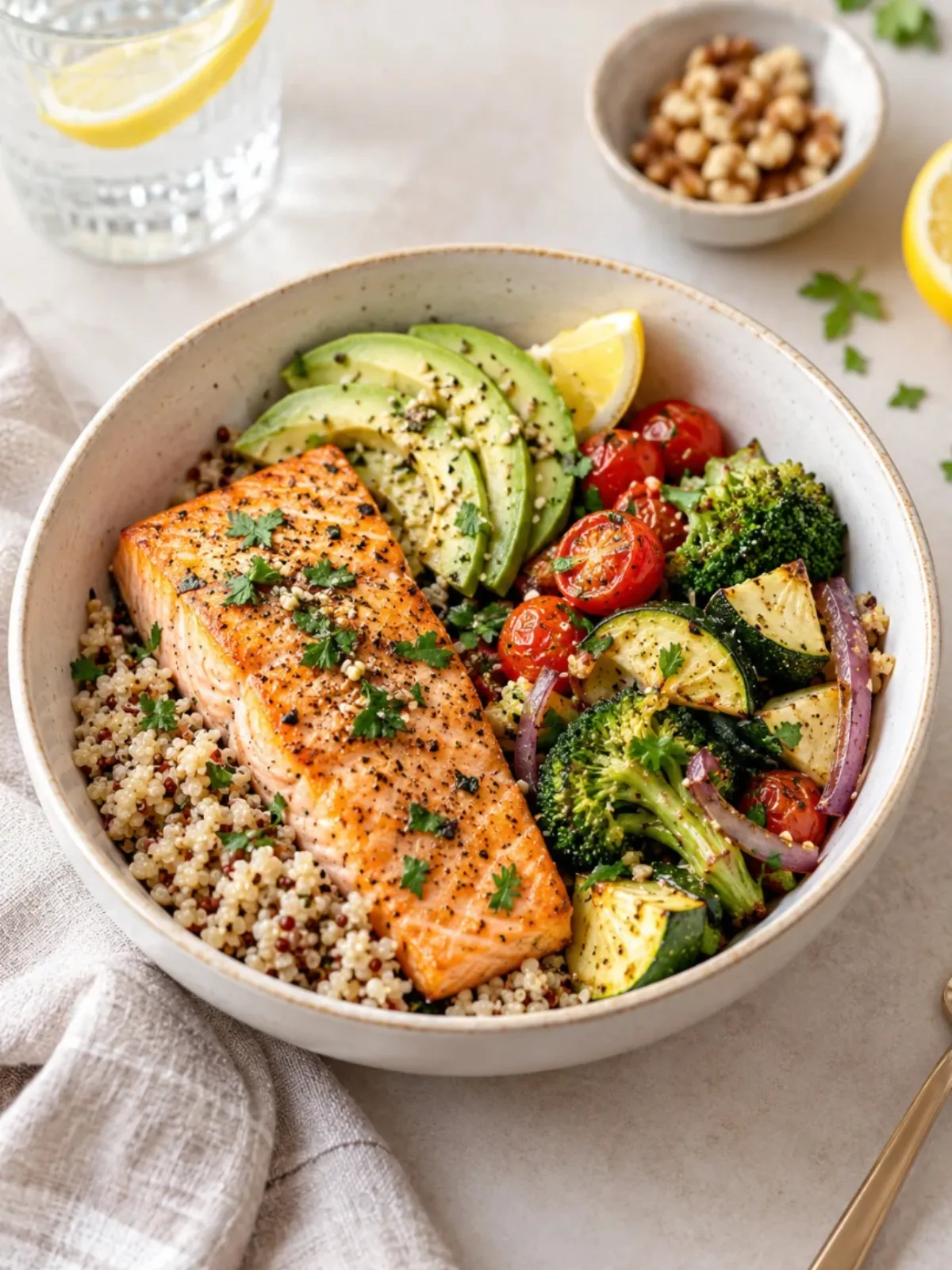
Turn Your Cholesterol Results Into a Clear Plan
You’ve been told your cholesterol or triglycerides are high – but “eat healthier” doesn’t tell you what to change at breakfast, what to snack on between meetings, or how to order when you’re eating out.
Maybe you’re wondering whether you need to cut out eggs, cheese, carbs, or other foods you enjoy. Or perhaps you already know some of the changes you “should” make, but staying consistent when work gets busy or stressful is the hard part.
We help you figure out which changes matter most for your cholesterol, triglycerides, weight loss, and heart health – then turn them into meals and habits you can actually sustain.
A Clear Approach to Cholesterol and Triglycerides
Cholesterol and triglycerides are both blood fats, but they don’t always respond to the same nutrition changes. What matters most depends on your results, health history, medications, weight goals, and overall eating pattern. [1][3]
High LDL Cholesterol
We help you focus on the changes that matter most for LDL cholesterol. Replacing saturated fat with unsaturated fat and adding suitable fibre-rich foods can help lower LDL cholesterol. [1][2] Then we turn those recommendations into realistic meals and restaurant strategies you can use.
Elevated Triglycerides
Triglycerides can be influenced by more than dietary fat. We may look at sugary drinks, alcohol, carbohydrate choices, weight loss, and your overall eating pattern to identify the changes most relevant for you.
Not sure what your numbers mean for your eating habits? Bring your recent lipid results and any recommendations from your healthcare provider. We’ll help you understand which nutrition changes to put into practice.
Our 4S Approach to Cholesterol and Triglyceride Management
Your lab results may tell you something needs attention, but they don’t always tell you what day-to-day changes to make. Our 4S Framework helps turn nutrition recommendations into realistic changes you can actually maintain.
1. Shift
Rethink what “heart-healthy” eating looks like.
You don’t need every meal to be perfect or every higher-fat food to be off limits. We help you focus on the changes that matter most for your cholesterol, triglycerides, weight, and overall health – without turning food into another source of stress.
2. Structure
Build meals around the nutrients that matter most.
We may adjust the types of fat you eat, increase soluble fibre, modify carbohydrate choices, or change how meals are balanced. We turn those priorities into a clear eating structure you can actually follow.
3. Systems
Make heart-healthy eating easier on busy days.
Create go-to breakfasts, lunches, grocery staples, restaurant choices, and backup meals that support your goals – so a busy week, travel, or eating out doesn’t derail you.
4. Sustain
Build habits that support your heart health long term.
The goal isn’t to follow a restrictive diet for a few months. We help you build eating habits you can sustain – so healthier choices become part of your normal routine.
Turn heart-healthy advice into habits you can sustain long term.
Heart-Healthy Meal Planning for Real Life
A heart-healthy meal plan should still include food you actually want to eat. We help you build practical meals around your preferences, culture, schedule, and budget – along with a plan for situations where you don’t always have full control over your food choices.
Add More Fibre Without Overhauling Your Meals
Soluble fibre from foods such as oats, beans, lentils, and certain fruits can help support lower LDL cholesterol.[2] We help you find simple ways to add more fibre to meals you already eat, from breakfast to soups, bowls, and snacks.
Make Smarter Swaps Without Cutting Everything Out
Learn how to compare the foods you already buy and make useful changes to fats, dairy products, spreads, proteins, and packaged foods – without feeling like you have to cut everything out.
Plans for Restaurants, Travel, and Busy Evenings
Have a few reliable choices for times you can’t cook. We help you make restaurant meals, takeout, snacks, and quick meals work with your cholesterol, triglyceride, and weight goals.

Explore our custom meal-planning approach to see how we build practical meals around your preferences, schedule, and health goals.
Lose Weight While Improving Heart Health
Improving heart health often overlaps with the same habits that support sustainable weight loss – including meal structure, fibre, protein, portions, activity, and consistency over time.
We help you create a realistic calorie deficit while still prioritizing the foods and nutrients that support heart health, fullness, energy, and long-term progress.
Your plan can take your cholesterol, triglycerides, food preferences, schedule, eating-out habits, and other health goals into account – so weight loss doesn’t mean following a separate restrictive diet.
We also look at the parts that can make both heart-health habits and weight loss harder to maintain, including cravings, busy workdays, restaurant meals, travel, stress, and inconsistent routines.
The goal is to help you improve your health while building an eating approach you can actually keep using long term.
Learn more about our Registered Dietitian weight loss program.
What Working Together Looks Like
We start by understanding what’s actually getting in the way – your current eating patterns, cholesterol and triglyceride results, weight loss history, medications, schedule, food preferences, and the situations that make healthy eating harder.
Build Your Starting Plan
Your dietitian helps you create a clear nutrition strategy around your heart-health and weight-loss goals – including meal structure, fibre, protein, fat choices, portions, carbohydrate choices, and realistic routines for your day-to-day life.
Put It Into Practice
Then we work through what happens in real life, backed by accountability: busy workdays, cravings, restaurants, travel, family meals, inconsistent schedules, and weeks when motivation is lower.
Build Habits You Can Sustain for Life
We help you turn the changes you make for heart health and weight loss into habits you can maintain through busy seasons, travel, eating out, and changes in routine, so the progress you make becomes part of how you live – even beyond our time working together.

Founder of Diet Redefined
Our dietitians help busy professionals build practical nutrition strategies for heart health, sustainable weight loss, and long-term health – without restrictive diets.
The goal isn’t just to tell you what to eat. It’s to help you make informed nutrition choices and build the skills to eat well for life.
Cholesterol and Triglyceride Nutrition Questions
Can a dietitian help lower cholesterol?
Yes. Nutrition changes can help lower LDL cholesterol, though the response depends on your starting point, genetics, treatment and other factors.[1][5] We help you focus on the areas that matter most – such as saturated fat, unsaturated fats, soluble fibre, meal structure, and weight loss – and turn those recommendations into realistic meals and habits you can maintain.[1][2]
Can a dietitian help me lose weight while improving cholesterol and triglycerides?
Yes. Many of the same habits that support sustainable weight loss can also support heart health. We help you create a realistic calorie deficit while still prioritizing fibre, protein, appropriate fat choices, carbohydrate quality, fullness, and long-term consistency – without feeling restricted so you can actually sustain it long term.
Is the diet for high triglycerides the same as a cholesterol-lowering diet?
There is some overlap, but the priorities are not always the same. For high LDL cholesterol, we often focus more on saturated fat, unsaturated fats, and soluble fibre. With elevated triglycerides, we may also pay closer attention to alcohol, sugary drinks, carbohydrate choices, blood sugar, weight loss, and overall eating patterns.[3][4]
Do I have to stop eating eggs, cheese, or all dietary fat?
Not necessarily. Heart-healthy eating doesn’t mean removing all dietary fat or automatically cutting out foods like eggs or cheese. We look at your overall eating pattern, how often you eat certain foods, portions, what you could swap or adjust, and what’s realistic for you – rather than relying on blanket food rules.[1]
What foods matter most for lowering LDL cholesterol?
Foods rich in soluble fibre – such as oats, beans, lentils, and some fruits – can help support lower LDL cholesterol. Replacing some saturated fat with unsaturated fats from foods like olive oil, nuts, seeds, avocado, and fish can also be helpful.[1][2] We help you work these changes into meals you already enjoy.
Can I still get support if high cholesterol runs in my family?
Yes. Genetics can play a major role in cholesterol levels, and some people may still need medication even with heart-healthy nutrition habits. Nutrition can still support overall heart health and work alongside your medical treatment. If you have a family history or a diagnosis such as familial hypercholesterolemia, we take that context into account.[1][5]
How long will it take to see a change in my bloodwork?
That varies depending on your starting levels, the changes you make, medications, genetics, and other health factors. Your healthcare provider can advise when to repeat your bloodwork. Our focus is on helping you build nutrition habits you can stick with long term, so progress doesn’t depend on short-term changes before your next test.
Should I take fish oil or other cholesterol supplements?
Supplements can sometimes play a role, but they’re not something everyone needs. We look at your overall eating pattern, health goals, medications, and lab results first. If you’re considering fish oil or another supplement, we can help you understand where it may fit and when it’s worth checking with your healthcare provider.
Your next step
Improve Your Cholesterol and Lose Weight – Without Another Restrictive Diet
Build a way of eating that supports your heart health now and still works for you years from now.
Turn heart-healthy advice into habits you can actually maintain.