
Virtual Registered Dietitian care · British Columbia
Perimenopause & Menopause Dietitian Support
Your body is changing.
Your nutrition strategy should change with it.
Work with a Registered Dietitian in British Columbia for personalized perimenopause and menopause nutrition support – including sustainable weight loss, muscle maintenance, energy, and practical meal planning that fits real life.
For women who feel like what used to work for weight loss and energy no longer works.
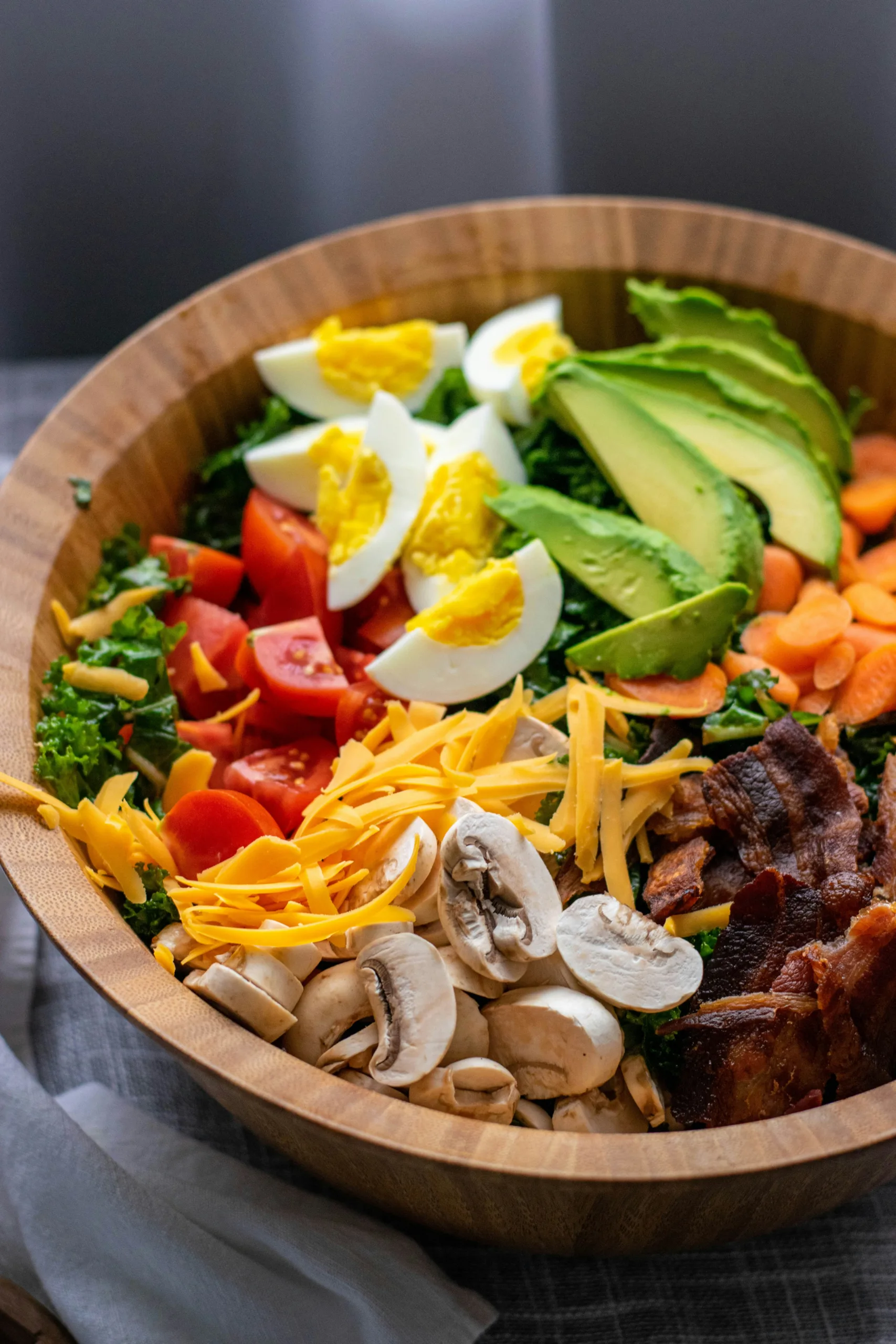
When What Used to Work No Longer Works
You’re managing work, family, and a calendar that barely leaves room for you – and now your weight, energy, appetite, and body composition may feel different too.
Perhaps the diets that once produced quick results now feel less effective or harder to maintain. Or you’re tired of reading confusing advice about what women should eat in midlife.
Perimenopause can begin before periods stop, and nutrition support can be helpful during this transition. [1]
We help you build realistic eating habits that support sustainable weight loss, muscle maintenance, long-term health, and everyday life during perimenopause or menopause.
Personalized guidance with a clear direction
How Our Menopause Dietitians Can Help
Our 4S Framework helps turn nutrition advice into practical habits you can use through perimenopause, menopause, and beyond.
1. Shift
Let go of the diet rules that no longer work.
Move away from low calorie diets, carb restriction, and fasting patterns that no longer work for you.
Build a healthier relationship with food while working towards sustainable weight loss.
2. Structure
Get the clarity and structure you need – without rigid rules.
Build a personalized meal structure around your goals, health history, and life stage –
with the right balance of protein, calories, fibre, calcium, healthy fats, and portions
to support sustainable weight loss, muscle maintenance, and bone health.
3. Systems
Make healthy eating easier on busy weeks.
Create reliable breakfasts, repeatable lunches, realistic takeout options, grocery routines,
and backup plans for the days when you’re low on time and energy.
4. Sustain
Build habits that help you keep the weight off.
Learn how to maintain the eating habits and routines that support your results long term —
while adjusting them as your symptoms, schedule, goals, or life change.
Explore the full 4S approach within our Registered Dietitian weight loss program.
Build your plan for sustainable weight loss that adapts as your body, symptoms, and routines change.
Nutrition Support For Perimenopause And Beyond
Menopause nutrition is about more just about weight. Your plan should support sustainable weight loss, muscle gain or maintenance, energy, and long-term health as your needs change.
1. Sustainable Weight Loss
Develop practical nutrition strategies that support weight loss without relying on more restriction, skipped meals, or another short-term diet.
2. Protein, Muscle & Body Composition
Get enough protein to support muscle maintenance or gain, strength, and body composition as you move through perimenopause and menopause.
3. Long-Term Health
Build eating habits that support cholesterol, blood sugar, heart health, energy, and overall health – not just the number on the scale.
4. Hunger, Cravings & Symptom Management
Build practical strategies for changes in hunger, cravings, stress eating, and symptoms that can make eating feel less predictable during perimenopause and menopause.
Sustainable Weight Loss Through Perimenopause and Menopause
Weight loss can feel harder during perimenopause and menopause – and simply eating less is not always the answer. Changes in body composition, sleep, stress, activity, appetite, and eating patterns can all affect progress.[2]
We’ll help you create a realistic calorie deficit while getting enough protein and nutrients to support muscle maintenance, energy, and long-term health.
Beyond the scale, we’ll also pay attention to your eating habits, hunger, cravings, confidence around food, strength, energy, and health markers.
The goal is sustainable weight loss you can maintain – not another short-term diet you have to start over from.
Sustainable Meal Planning for Weight Loss During Perimenopause and Menopause
A meal plan for perimenopause and menopause should help you lose weight without requiring perfect meal prep, or having to cook separate meals from everyone else. We’ll help you build a practical structure around your calorie and protein needs, preferences, schedule, and health goals.
Start the day with protein and structure
Choose convenient breakfasts you enjoy and can repeat, with enough protein and nutrition to support energy, fullness, and muscle maintenance.
Plan for the hours when eating gets harder
Build simple lunches and snacks around your actual workday so you’re less likely to skip meals, arrive home overly hungry, or rely on whatever is quickest.
Keep eating out, travel, and busy evenings in the plan
Learn how to adjust portions and food choices at restaurants, while travelling, or when cooking isn’t realistic – without treating those days like you’ve gone “off plan.”
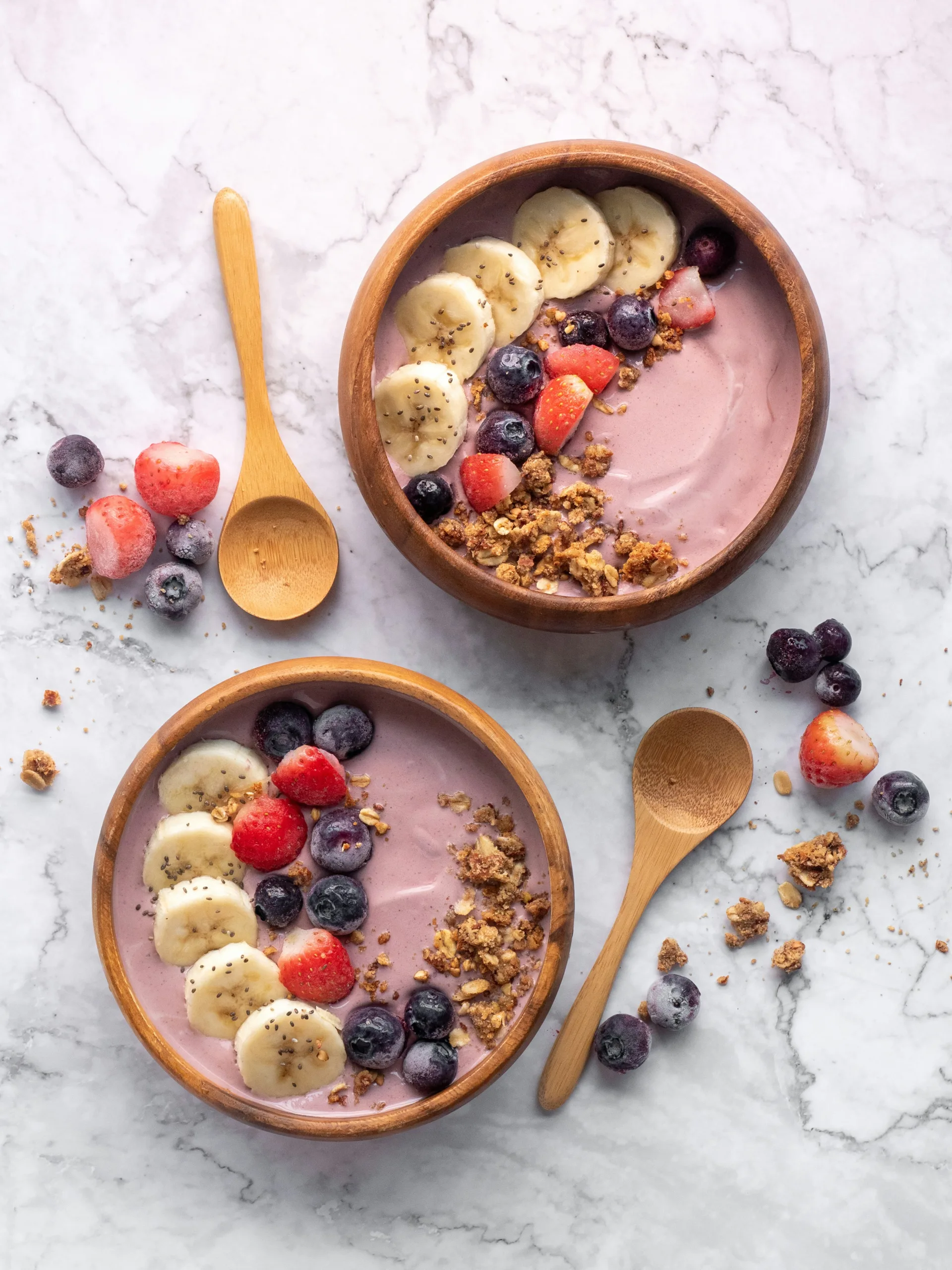
Lose Weight During Menopause – Without Feeling Like You’re on a Diet
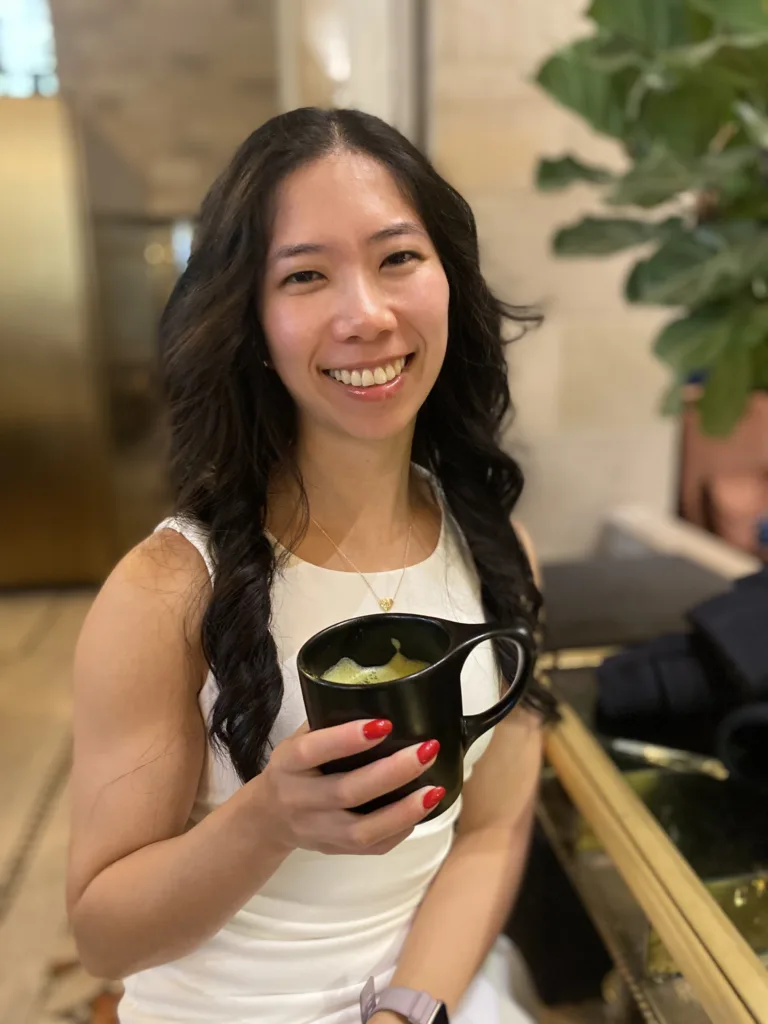
Founder of Diet Redefined
At Diet Redefined, our dietitians help you navigate weight loss, nutrition, and changing needs through perimenopause and menopause – with a plan that can be adjusted as your symptoms, schedule, and goals evolve.
You’ll have ongoing support to review progress, troubleshoot barriers, and make changes instead of having to keep figuring everything out on your own.
For women who want a sustainable approach to weight loss through perimenopause and menopause.
Menopause and Perimenopause Nutrition Questions
Can a dietitian help with weight loss during perimenopause?
Yes. Our Registered Dietitians help women in perimenopause lose weight in a sustainable way. We look at meal structure, protein and calorie intake, portions, hunger and cravings, activity, sleep, and other factors that may influence progress – then help you build practical nutrition strategies you can maintain long term.
Should I see a menopause dietitian or a menopause nutritionist?
In British Columbia, Registered Dietitians are regulated health professionals, while “nutritionist” is not a protected title in the same way. For menopause-related weight loss and health concerns, a Registered Dietitian can provide evidence-based, personalized nutrition support based on your health history, goals, symptoms, and lifestyle.
Is intermittent fasting good for weight loss during menopause?
Intermittent fasting can work for some people, but it isn’t required for weight loss during perimenopause or menopause. What matters most is whether your overall eating pattern helps you achieve an appropriate calorie intake while getting enough protein, fibre, and nutrients.
For some people, fasting can simplify eating and reduce mindless snacking. For others, it can lead to excessive hunger, overeating later in the day, or make it harder to get enough protein and calories. We help you find an eating pattern that supports weight loss and is realistic to maintain long term.
Can you help with menopause weight gain or belly fat?
Yes. Changes in body composition and where fat is stored can occur through the menopause transition, but nutrition, activity, sleep, stress, and overall eating patterns also play a role. We’ll help you identify what may be affecting your progress and build a realistic nutrition strategy for sustainable weight loss – including calorie intake, protein, meal structure, portions, hunger, and cravings.
How much protein should I eat during menopause?
There isn’t one protein target that’s right for everyone. Your needs depend on factors such as your body size, activity level, and goals. We’ll help you determine an appropriate amount and find practical ways to get enough protein in your diet to support muscle maintenance, fullness, and weight loss.
Can nutrition help with hot flashes or other menopause symptoms?
Nutrition can support your overall health during menopause, but there isn’t one food or diet proven to eliminate hot flashes. Evidence for many commonly promoted dietary approaches for hot flashes remains limited. We can help you identify eating patterns or individual triggers that may affect how you feel, while making sure your nutrition continues to support your weight, energy, and health goals. If symptoms are significantly affecting your quality of life, we also encourage discussing treatment options with your healthcare provider.
Can I get support while taking hormone therapy or a GLP-1 medication?
Yes. We can provide nutrition support alongside hormone therapy or a GLP-1 medication. See our GLP-1 nutrition support here. Your nutrition plan can be personalized around your changing appetite, weight loss goals, protein needs, symptoms, health concerns, and changing needs over time. Medication decisions themselves should be made with the healthcare professional prescribing or managing your treatment.
How much does the program cost, and can I use extended health benefits?
During your complimentary consultation, we’ll review the program options and fees, so you can decide whether it’s the right fit for you. Many extended health insurance benefit plans include coverage for Registered Dietitian services, and we provide receipts that you can submit to your insurer. Coverage varies by plan, so we recommend checking the details of your individual benefits.
Virtual Menopause Dietitian Support in British Columbia
Meet with your dietitian virtually from home or work, with appointments designed to fit around a busy schedule. Get personalized support for weight loss, nutrition, and changing needs through perimenopause and menopause.
Learn about our virtual care in Vancouver or explore our service areas.
Your next step
Ready for a More Sustainable Approach to Weight Loss During Menopause?
If weight loss feels harder through perimenopause or menopause, we can help you figure out why – and what to do differently – without another restrictive diet.
Virtual Registered Dietitian appointments across British Columbia.