
How Much Fiber Do I Need a Day?
Trying to figure out how much fiber you need per day? Our free daily fiber intake calculator makes it easier to get a personalized estimate based on your age, gender, and life stage. Instead of guessing, you can use the tool below to find your daily target and get a practical 3-day meal plan built around your result.
Whether your goal is weight loss, better digestion, regular bowel movements, or simply eating more balanced meals, getting enough can make a real difference. Many people know they should eat more fibre, but they aren’t sure how much they actually need or what foods will make it easier to reach their targets. That is exactly what this tool is designed to simplify.
Find your daily target in under a minute
Use the calculator below to estimate how much fiber you need each day and get a practical meal plan to help you reach it.
How Much Fiber Do You Need Each Day?
If you have ever wondered about how much fibre you need, you are not alone. The answer is not the same for everyone. A personalized fibre target gives you a clearer starting point. It helps you understand whether you should be aiming a little higher, building up gradually, or making simple changes to your meals to get closer to where you want to be. Instead of wondering if you are eating enough fiber, you can get a more realistic target and use it to guide your choices.
Recommended Daily Fiber Intake
| Group | 14–18 years | 19–30 years | 31–50 years | 51–70 years | 70+ years |
|---|---|---|---|---|---|
| Female | 26 g | 25 g | 25 g | 21 g | 21 g |
| Male | 38 g | 38 g | 38 g | 30 g | 30 g |
| Pregnant | 28 g | 28 g | 28 g | — | — |
| Breastfeeding | 29 g | 29 g | 29 g | — | — |
These are general reference values for healthy people. Your ideal fiber intake should still make sense for your routine, the foods you enjoy, and how much fibre you are currently eating. That is why the calculator can be more helpful than a one-size-fits-all answer.
Is Fiber Good for Weight Loss?
Fiber can be helpful for weight loss, but not because it is a magic fix. It works in more practical ways. High-fiber foods often take longer to eat, can help you feel fuller, and are commonly found in meals that are more satisfying for the calories they provide. That can make it easier to stay consistent with your eating habits without feeling like you are constantly hungry.
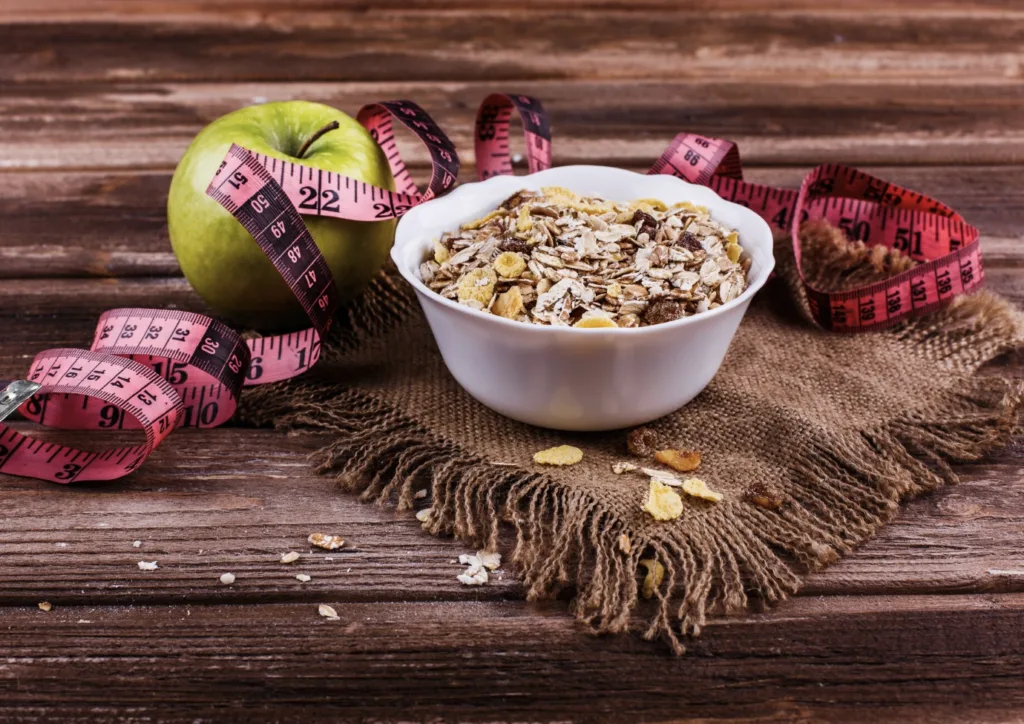
For many people, increasing fiber helps make meals feel more balanced and more filling. Instead of building meals around foods that digest quickly and leave you hungry soon after, higher-fibre options can help create a better sense of fullness and make it easier to stick to your plan over time.
A few ways fiber can support weight loss:
- It can help meals feel more filling
- It may make snacking less tempting between meals
- It often comes with more nutrient-dense whole foods
- It can help you build meals that feel satisfying without being overly calorie-dense
- It supports more balanced eating patterns instead of relying on ultra-processed convenience foods
So yes, it’s good for weight loss in the sense that it can support better food choices, better fullness, and a more sustainable approach to eating.
High Fiber Foods for Weight Loss
If you want to increase it without making your diet feel complicated, focus on foods that are easy to add into meals and snacks you already enjoy. You do not need a perfect plan. You just need a few reliable, high-fiber foods that you can use consistently.
Some of the best high fiber foods for weight loss include:
- Oats
- Lentils
- Black beans
- Chickpeas
- Raspberries
- Pears
- Apples
- Broccoli
- Quinoa
- Popcorn
- Chia seeds
- Ground flax
- Avocado
These foods can make meals more satisfying while helping you move closer to your daily fibre goal. A bowl of oatmeal is usually a stronger fiber choice than a sugary breakfast bar. Lentils and beans can make lunch more filling than a low-fibre option. Even a simple snack like fruit with nuts or air-popped popcorn can be an easy way to increase it without overcomplicating your day.
If your goal is weight loss, the best approach is often to focus on fiber-rich foods that you can realistically eat on a regular basis, not just foods that look good on a list.
How to Increase Fiber Without Feeling Bloated
One of the most common mistakes people make is increasing fiber too quickly. Going from a lower-fibre diet to a very high-fiber diet overnight can leave you feeling bloated, uncomfortable, and frustrated. A better approach is usually to build up gradually and give your body time to adjust.
The goal is not to hit a perfect number immediately. The goal is to increase fiber in a way that feels realistic and sustainable. Spreading fibre across your meals and snacks can often feel much easier than trying to load it all into one meal.
A few simple ways to increase fiber more comfortably:
- Add one high-fiber food at a time instead of changing everything at once
- Spread fiber across breakfast, lunch, dinner, and snacks
- Drink more water as your fiber intake goes up (very important)
- Swap in higher-fibre versions of foods you already eat
- Give your digestion time to adjust before increasing again
Small steps are often more effective than trying to overhaul your diet overnight.
Calculate, Then Make the Result Practical
Knowing your number is useful, but hitting it matters more. That is why this tool goes beyond a basic daily fiber intake calculator. Once you get your result, you can use your personalized 3-day meal plan to turn that number into something practical.
Instead of giving up because you are unsure of how much you need, you can start answering the more useful question: What would it actually look like for me to eat that much fiber each day? That is where the calculator becomes truly helpful. It gives you a target, then helps you turn that target into meals, snacks, and simple next steps you can actually follow.
Ready to Make Your Goal Easier to Follow?
If you want more personalized help, Diet Redefined can help you turn nutrition advice into an approach that actually fits your routine, preferences, and goals. Start with the calculator above, use your personalized fibre target as a starting point, and then build from there with practical next steps that make getting enough fiber easier day to day.