
Is Fiber Good for Weight Loss?
If you have been wondering about the connection between fiber and weight loss, it’s not just you. A lot of people hear that they should eat more fibre, but they are not always sure why it matters or whether it can actually help with weight loss in a meaningful way.
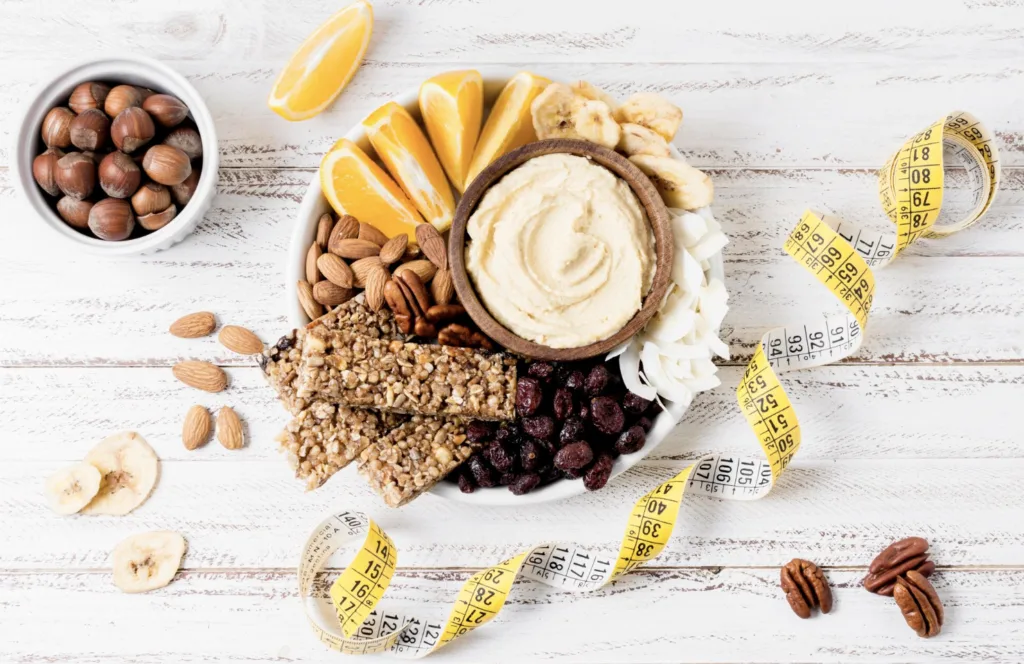
The short answer is yes: fiber can be helpful for weight loss. Not because it magically burns fat, but because it can make meals more filling, support better food choices, and make it easier to stick to a balanced eating pattern over time.
That is an important distinction. Fiber is not a shortcut. It is a practical nutrition tool that can make weight loss feel more manageable when used as part of a realistic approach to eating.
If you are not sure how much fibre you should be aiming for, start with our How Much Fiber Do I Need a Day – Calculator to get a more personalized target.
What is Fiber & Why Does it Matter?
Dietary fiber is a type of carbohydrate found in plant foods that your body does not fully digest. It is naturally found in foods like beans, lentils, oats, vegetables, fruit, nuts, seeds, and whole grains.
In simple terms, fiber matters because it helps add structure and staying power to your meals. Meals that include fiber-rich foods often feel more satisfying than meals built mostly around refined carbohydrates or heavily processed snack foods.
It also plays a role in digestion and bowel regularity, which is one reason so many people feel better when they consistently eat more of it from whole foods instead of only focusing on calories.
Is Fiber Good for Weight Loss?
Yes, fiber is good for weight loss in a practical sense.
High-fiber foods often take longer to eat, can help you feel fuller, and are commonly found in meals that are more satisfying for the calories they provide. That can make it easier to stay consistent with your eating habits, which is one of the biggest challenges people face when trying to lose weight.
Instead of relying on tiny portions or snack foods that leave you hungry soon after, fiber helps you build meals that feel more substantial. That does not mean fiber alone causes weight loss, but it can make a calorie deficit easier to maintain.
How fiber helps you feel fuller
One of the biggest reasons fiber can support weight loss is fullness. When meals include foods like oats, lentils, beans, berries, vegetables, and fruit, they often feel more filling than meals built around lower-fibre, highly refined options.
That fuller feeling can help reduce the constant cycle of eating, feeling unsatisfied, and looking for more food shortly after.
Why high-fiber meals are often easier to stick to
Consistency matters more than perfection. A weight loss plan only works if you can actually follow it. Fiber-rich meals can help because they often feel more balanced and less restrictive.
For example, a breakfast with oats, berries, and chia seeds will usually keep you satisfied longer than a low-fibre pastry or sugary cereal. A lunch with lentils or chickpeas may feel more substantial than a meal built mostly around white bread or snack foods.
That kind of difference adds up over time.
Why fiber-rich foods are often less calorie-dense
Many high-fiber foods are naturally less calorie-dense than ultra-processed foods. That means you can often eat a satisfying portion of food without the calories climbing as quickly. This is one reason the connection between fiber and weight loss is so useful. Fiber-rich foods can help you build meals that are both satisfying and more supportive of a weight loss goal.
What Research Suggests With Weight Loss & Fiber
When people ask, Does fiber help with weight loss? The most useful answer is: yes, it supports the habits that make weight loss easier.

Higher-fibre diets are often associated with better diet quality, better fullness, and improved consistency with eating patterns. In day to day life, that matters. Most people do not fail because they do not know they need to eat better. They struggle because they are hungry, bored with their meals, or stuck in an all-or-nothing cycle.
It helps by making meals feel more complete. It supports a more sustainable way of eating rather than a short-term fix.
How Much Fiber do You Need for Weight Loss?
There is no special weight loss fibre target that is completely separate from general nutrition guidance. In most cases, the goal is to consistently get closer to your recommended daily intake based on your age, sex, and life stage.
For adults, fibre needs vary. In general, women need less fibre than men, and pregnancy and breastfeeding increase fibre needs. That is why a personalized daily fiber intake calculator can be more useful than relying on one generic number.
If you want a quick estimate, use our fiber calculator to find your daily target and get a practical meal plan based on your result.
Why a personalized fiber target helps
A personalized target gives you a more realistic place to start. If your current intake is low, jumping straight to a very high-fibre diet can feel uncomfortable and difficult to maintain. Knowing your target helps you build up gradually instead of guessing.
Why increasing fiber too fast can backfire
One of the most common mistakes people make is trying to overhaul everything at once. Going from a low-fibre diet to a very high-fibre diet overnight can leave you feeling bloated, uncomfortable, and frustrated.
A better approach is usually to increase fibre gradually, spread it across your meals, and make sure you are drinking enough water as your intake goes up.
Top High-Fiber Foods That Support Weight Loss
If your goal is to lose weight without feeling deprived, focus on foods that are both high in fibre and easy to work into everyday meals.
Some of the best fiber foods for weight loss include:
- Oats
- Lentils
- Black beans
- Chickpeas
- Raspberries
- Pears
- Apples
- Broccoli
- Avocado
- Quinoa
- Popcorn
- Chia seeds
- Ground flax
These foods can help you build meals that are more filling, more balanced, and easier to stick with over time.
If you want a deeper breakdown, read our High Fiber Foods for Weight Loss guide for a more detailed food list and meal ideas.
Common Mistakes People Make With Fiber and Weight Loss
Eating more fiber can be helpful, but there are a few common mistakes that can make the process harder than it needs to be.

1. Increasing fiber too quickly
More is not always better right away. A sudden jump in fibre can cause bloating and discomfort, especially if your starting intake is low.
2. Not drinking enough fluids
Fiber and fluid work together. As you increase fibre, your fluid intake matters too.
3. Relying on processed high-fiber foods
Just because something is marketed as high fiber does not automatically make it a great weight loss food. Some processed snack bars and packaged foods may contain added fibre, but still leave you unsatisfied or come with a lot of added sugar.
4. Assuming fiber alone will cause weight loss
Fiber can support weight loss, but it does not override total calorie intake, eating habits, activity, sleep, or consistency.
5. Ignoring overall meal balance
Fibre works best when it is part of a balanced meal. Meals that combine fibre with protein and a reasonable amount of healthy fat are often more satisfying than meals built around only one healthy ingredient.
The Easiest Ways to Eat More Without Overcomplicating Your Diet
You do not need a perfect meal plan to eat more fibre. Small changes can go a long way.
Here are a few simple ways to increase your intake:
- Add berries, chia, or ground flax to oatmeal or yogurt
- Swap lower-fibre grains for oats, quinoa, or higher-fibre bread
- Add lentils, beans, or chickpeas to soups, salads, or bowls
- Choose fruit like apples or pears for snacks
- Add vegetables to lunches and dinners more consistently
- Use air-popped popcorn instead of lower-fibre snack foods
- Build meals around whole foods more often than convenience foods
These changes may seem small, but they can help make higher-fibre eating feel practical rather than overwhelming.
Use a Fiber Calculator to Make Your Goal Practical
Knowing that fiber and weight loss are connected is helpful. Knowing how much fibre you actually need is even more useful.
That is where our Fiber Calculator helps out. It helps you estimate your daily fibre target and gives you a more practical starting point based on your own details.
Instead of guessing, you can get a clearer number and start turning that number into real meals, real snacks, and realistic next steps.
FAQ
Is fiber good for weight loss?
Yes, fiber can be good for weight loss because it can help meals feel more filling, support better food choices, and make it easier to stay consistent with a balanced eating pattern.
Does fiber help burn fat?
Fiber does not directly burn fat. What it can do is support fullness and meal quality, which may make it easier to maintain the eating habits that support fat loss over time.
How much fiber should I eat to lose weight?
There is no separate magic fibre number just for weight loss. In most cases, the best approach is to work toward the recommended daily intake for your age, sex, and life stage, then build meals that make that target practical.
Can too much fiber cause bloating?
Yes, especially if you increase fibre too quickly. It is usually better to increase fibre gradually and make sure you are drinking enough fluids as your intake goes up.
What are the best fiber foods for weight loss?
Some of the best options include oats, lentils, beans, chickpeas, berries, pears, apples, broccoli, quinoa, popcorn, chia seeds, and ground flax.
Is fiber more important than calories for weight loss?
Calories still matter for weight loss, but fiber can make it easier to eat in a way that feels more satisfying and sustainable. The best approach is not fiber versus calories. It is using fiber to help improve the quality and staying power of your meals.