
If you’ve heard the buzz about Konjac noodles (also called shirataki or konnyaku noodles) and wondered whether they actually help with weight loss, you’re in the right place. As Registered Dieticians working with clients across B.C., konjac noodles can be a low-calorie way to add volume to meals!
This guide covers what Konjac noodles are, who they’re best for, how to cook them so they taste great, and how to fit them into realistic routines from Vancouver to the Fraser Valley and the Okanagan.
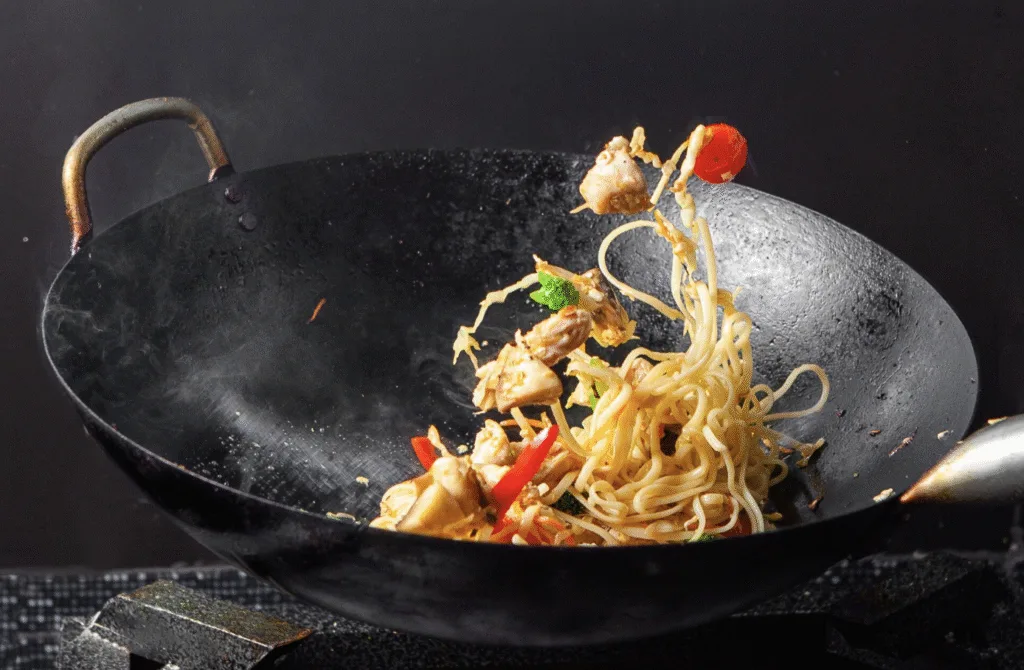
What are Konjac Noodles (a.k.a. Shirataki Noodles)?
Konjac noodles are made from the root of the konjac plant, a source of soluble fibre called glucomannan. That fibre holds water and creates the springy, translucent texture konjac noodles are known for. The result: noodles that are very low in calories and digestible carbs (often 5–20 calories per 100 g), naturally gluten-free, and suitable for many low-carb or diabetes-friendly approaches. Because the noodles are mostly water and a little bit of fibre, they’re not a major source of protein or many micronutrients – so pair them with protein, colourful veggies, and a flavourful sauce!
Quick Nutrition Snapshot (Typical per 100 g Pouch)
- Energy: ~5–20 kcal
- Carbohydrate: ~1–3 g (mostly fibre)
- Protein: ~0 g
- Fat: ~0 g
- Fibre: ~1–3 g (varies by brand and format – noodles, fettuccine, rice)
Are Konjac Noodles Good for Weight Loss?
For many clients pursuing weight loss in Metro Vancouver, the goals are to increase food volume and satiety. Konjac’s glucomannan fibre forms a viscous gel that can help you feel fuller on fewer calories. Using Konjac noodles in place of some or all of the starch in a meal lowers calorie density while keeping the plate visually satisfying. That’s especially helpful if you’re working with a weight loss nutritionist and aiming for a steady, sustainable deficit.
According to a 2005 Study, adding a glucomannan fiber supplement to a balanced, 1,200-calorie diet led to more weight loss than a 1,200-calorie diet plus a placebo.
When to Use Konjac Noodles:
- You love big bowls of noodles or rice, but want to keep calories in check.
- You’re working to balance blood sugar levels and slower blood sugar-rising meals.
- You need gluten-free options that are convenient and quick to prepare.
When to Use Other Options:
- You’re an endurance or strength athlete and want to increase carbohydrate intake to help fuel your performance. In this case, keep whole-grain pasta or rice in your diet for fuel!
- You struggle to eat enough calories (yes, this can happen, even when trying to lose weight!)
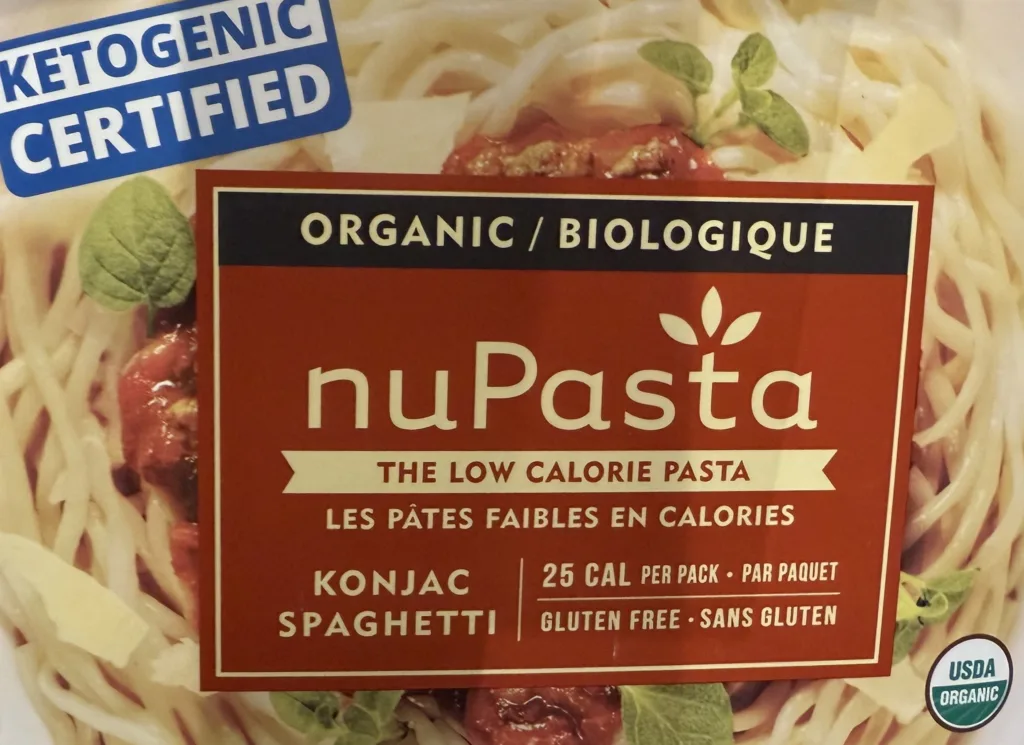
How to Cook Konjac Noodles So It Tastes Great (No Fishy Smell)
Most “meh” reviews of Konjac noodles mainly come down to how it’s prepared.
Use this three-step method for a better result:
- Rinse well (30–60 seconds in a colander). This removes the packing liquid and odor.
- Parboil (1–2 minutes). A quick simmer neutralises aroma and softens the bite.
- Dry-fry (2–4 minutes in a non-stick pan). Stir until the surface looks a little squeaky/dry, as this helps sauces to cling. You’ll hear a “popping” noise when they’re close to ready.
Now add flavour: Toss with aromatics (garlic, ginger), a sauce (tomato, pesto, curry, peanut, gochujang), plus protein (tofu, prawns, chicken, eggs, edamame) and at least 1–2 cups of vegetables. Finish with herbs, citrus, a drizzle of olive oil, or chilli oil for a punch.
Easy Meal Ideas:
- Gochujang Ramen Bowl: Dry-fried Konjac noodles + soft-boiled eggs + bok choy + sesame + scallions.
- Prawn Pesto Fettuccine: Konjac fettuccine + basil pesto + roasted cherry tomatoes + prawns.
- Tofu Satay Noodles: Konjac noodles + peanut-lime sauce + grilled tofu + shredded cabbage + cucumber.
- Miso-Ginger Soup: Konjac ramen in miso broth + mushrooms + spinach + silken tofu.
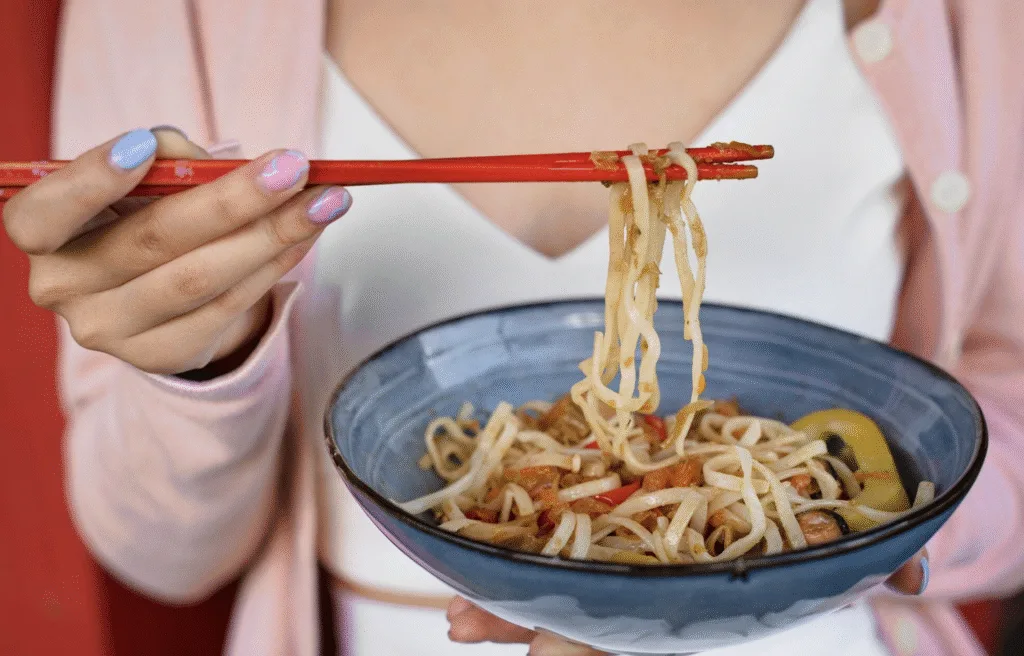
Konjac Noodles, Blood Sugars, and Fibre
Because Konjac noodles contain a little bit of soluble fibre, meals often produce gentler post-meal blood sugar responses – useful for clients focused on prediabetes, diabetes, and insulin resistance. Keep the whole meal balanced:
- Aim for 20–40 g protein per main meal (e.g., salmon, tofu, chicken, eggs).
- Add high-fibre vegetables (broccoli, Brussel sprouts, spinach, cabbage).
- Use healthy fats in small amounts for flavour and satiety (olive oil, avocado, chopped nuts).
- Hydrate – fibre works best with fluid, to help with bowel movements!
Tip: Craving pasta texture? Try a half-and-half approach – 50% Konjac noodles + 50% whole-grain pasta. You’ll keep chew while halving starch and calories.
Who Should be Cautious?
- Sensitive gut or IBS: Increase portion size gradually; some people experience gas or bloating.
- Medications & supplements: Because glucomannan is a viscous fibre, take Konjac noodle meals 1–2 hours apart from medications to avoid interference with absorption.
- Very low appetite: If you’re under-fuelled and struggle to eat enough calories, Konjac noodle’s high volume with minimal calories may crowd out calories from other foods that you actually need. Be sure to work with a Registered Dietitian to find what works best for you.
Konjac Noodles vs. Other Pasta Alternatives
- Zucchini Noodles: Fresher, vegetable-forward; lower fibre than Konjac noodles and can get watery.
- Chickpea/Lentil Pasta: Higher protein and fibre; also higher calories which are great on training days.
- Whole-Grain Wheat Pasta: Best for performance or higher-energy needs; pair with a side of vegetables and lean protein for balance.
- Konjac Noodles: Lowest in calories; best as a vehicle for flavour, protein, and veggies, without adding much calories.
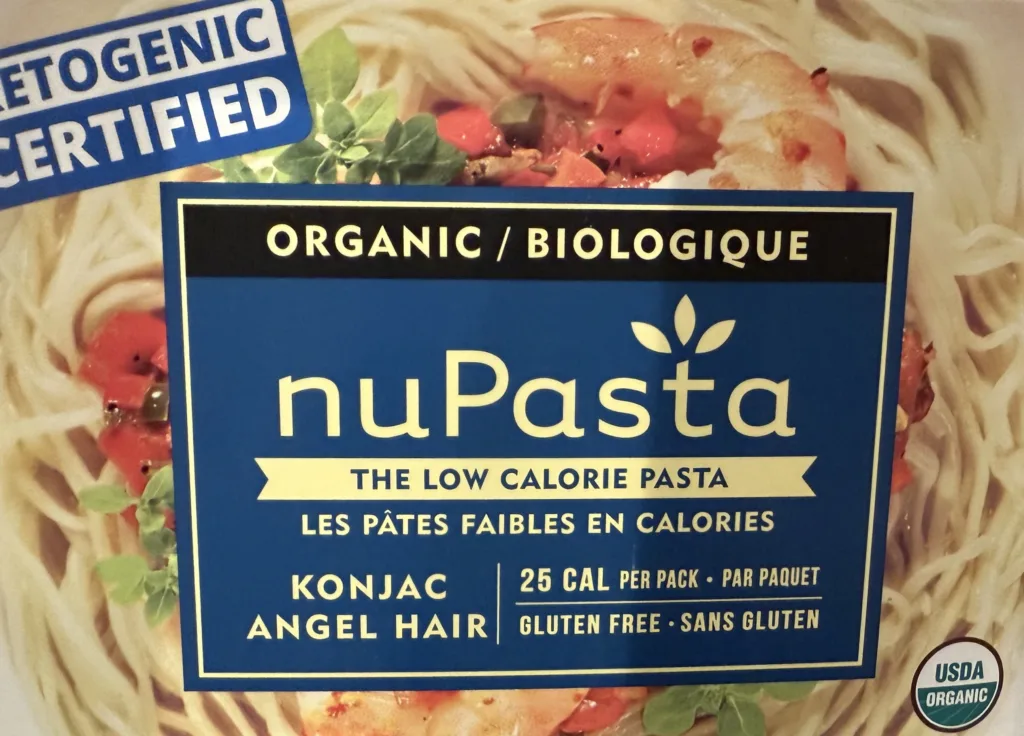
Smart Shopping & Label Tips
- Look for Shirataki, Konnyaku, or Konjac on the label. Shapes include spaghetti, fettuccine, angel-hair, and rice.
- Ingredients should be simple: Water, konjac flour, calcium hydroxide (coagulant).
- Some brands blend Konjac with tofu or oat fibre which is good if you want a slightly more pasta-like bite.
- Rinse, parboil, and dry-fry regardless of brand; it’s the difference between rubbery and really good.
How Konjac Noodles Fit B.C. Lifestyles
We work with clients online across the province, whether you’re in Vancouver, Surrey, Langley, Abbotsford, Chilliwack, Kelowna, Kamloops, Victoria, or Nanaimo. Konjac might show up in some custom meal plans because it’s fast and forgiving.
Busy week? Keep a few shelf-stable pouches in the pantry, a bag of stir-fry veg in the freezer, eggs or tofu in the fridge, and a jarred sauce you love. Twenty minutes later, dinner’s done!
Dining out? Use the same logic you’d use from our healthy restaurants content – prioritize protein and veg, keep sauces on the side, and enjoy carbs when you truly want them. When eating out, consider asking for Konjac noodles. Some restaurants like Kinton Ramen near UBC, downtown Vancouver, and South Vancouver offer it.
A Sample 7-Day Meal Plan with Konjac for Some Ideas
- Mon: Peanut-lime Konjac noodles + tofu + slaw.
- Tue: Konjac ramen in miso broth + mushrooms + edamame + soft egg.
- Wed: Half Konjac noodle / half whole-grain pasta + tomato-basil sauce + turkey meatballs + side salad.
- Thu: Prawn pesto Konjac spaghetti + roasted peppers + parmesan.
- Fri: Stir-fried Konjac noodleswith chicken, broccoli, and ginger-garlic sauce; sparkling water + lime.
- Sat: Restaurant night enjoy! Balance with a Konjac ramen lunch.
- Sun: Curry Konjac rice bowls with chickpeas, spinach, and yogurt raita.
Looking to connect this with your broader goals? See our deep dives on dietitian vs nutritionist (so you know who’s guiding you) and our other nutrition insights.
The Bottom Line
Konjac Noodles are a clever tool: ultra-low-calorie, high-volume, and easy to dress up with real flavour and nutrition from other ingredients in the meal. They won’t replace balanced eating or movement, but when used alongside protein, fibre-rich veg, and a plan tailored to your life, they can make weight loss simpler and more satisfying.
If you’d like a personalised strategy (with ingredient swap guides and quick recipes), book a complimentary session with a Registered Dietitian. Whether you’re in Vancouver, the North Shore, the Fraser Valley, the Okanagan, or on the Island, our virtual dietitian services keep support just a video call (and a text) away.
If you’re curious what a personalized plan could look like for you, let’s hop on Complimentary Session to chat through what’s possible!
Let’s get started on your healthy, sustainable weight loss journey, and build something that actually works for you.
Q&A: Konjac Noodles (Shirataki)
Q1. What exactly are Konjac noodles and what’s in them?
A: Konjac noodles, also called shirataki, are made from the konjac root’s soluble fibre, glucomannan. They are mostly water and a little bit of fibre, naturally gluten-free, very low in calories and digestible carbs, and contain virtually no protein or fat. Think of them as a neutral, low-energy “vehicle” for sauces, protein, and vegetables.
Q2. Do Konjac noodles actually help with weight loss?
A: They can support weight loss by lowering a meal’s calorie density while keeping volume high, which helps fullness. The glucomannan fibre adds viscosity that may increase satiety, so you’re satisfied on fewer calories. For practical results, pair Konjac noodles with 20–40 g of protein and 1–2 cups of vegetables, then season boldly so the dish feels satisfying.
Q3. Are Konjac noodles good for diabetes, prediabetes, or insulin resistance?
A: Yes, many people find Konjac helpful because meals built around soluble fibre tend to have gentler post-meal blood sugar rises. Keep the whole plate balanced: include lean protein, high-fibre vegetables, and modest amounts of healthy fats. If you monitor blood sugars, check your response to specific recipes and adjust portions from there.
Q4. How do I get rid of the odor and improve the texture?
A: Use the “Rinse–Parboil–Dry-fry” method. Rinse in a colander for 30–60 seconds, parboil for 1–2 minutes, then dry-fry in a hot pan for 2–4 minutes until the strands look slightly squeaky. This step drives off excess moisture so sauces cling and flavour pops.
Q5. How much should I eat and how often?
A: Start with half to one pouch (about 100–200 g) per meal and increase gradually as tolerated. Because Konjac is mostly fibre, drink water with the meal and across the day. Daily use is fine for many people if you prefer to have it daily, but best to ease it in.
Q6. Can Konjac noodles cause digestive issues?
A: Some people experience gas, bloating, or looser stools when they increase intake of Konjac too quickly. Introduce slowly, chew well, and combine with cooked vegetables and protein. If you follow a sensitive-gut or IBS plan, test a small portion first and assess your response.
Q7. Do Konjac noodles interfere with medications or supplements?
A: Viscous fibre can reduce the absorption of some medications if taken at the same time. As a simple rule, eat Konjac meals at least 1–2 hours apart from medications or supplements unless your clinician advises otherwise.
Q8. Are Konjac noodles safe during pregnancy or breastfeeding?
A: In normal food amounts, Konjac noodles are generally considered safe for healthy adults. If you have a history of digestive issues, low appetite, or specific medical needs in pregnancy or postpartum, speak with your Registered Dietitian prior to implementing it. Avoid high-dose glucomannan supplements unless recommended by your clinician.
Q9. Which brand or shape is best – plain Konjac, Konjac-tofu, or “rice” shapes?
A: Plain Konjac is lowest in calories and carbs. Konjac-tofu blends offer a slightly firmer bite and a touch more protein. Shapes (spaghetti, fettuccine, angel-hair, “rice”) are mostly about sauce pairing – use wider shapes for hearty sauces and “rice” for stir-fries or curry bowls. Prep the same way regardless of type.
Q10. Are Konjac noodles good for athletes or active people?
A: They’re excellent for low-calorie, high-volume meals. For hard training days or long endurance sessions, you’ll likely want more carbohydrate. A great compromise is the 50/50 bowl: half Konjac noodles and half whole-grain pasta or rice for better glycogen support without doubling calories.
Q11. What are easy recipe ideas that actually taste good?
A: Try a miso-ginger “ramen” with mushrooms, spinach, and soft egg; pesto “fettuccine” with prawns and roasted cherry tomatoes; tofu satay noodles with peanut-lime sauce and cabbage; or a tomato-basil bowl with turkey meatballs. Remember: bold aromatics, salty-acid balance (soy, fish sauce, lemon), and a finishing herb or chilli oil make Konjac dishes shine.
Q12. How do I store Konjac noodles and can I meal-prep them?
A: Unopened pouches are usually shelf-stable; check your label. Once opened, store noodles submerged in fresh water in the fridge and change the water daily; use within 2–3 days. For meal prep, keep cooked protein, sauce, and par-prepped veg in separate containers, then assemble and reheat quickly so texture stays springy.