
High Fiber Foods for Weight Loss
If you’re trying to lose weight, eat more fiber is one of those pieces of advice you’ve probably heard a hundred times. The problem is that most people are left with the same follow-up question: okay, but what should I actually eat?
That’s where this guide comes in.
The best high fiber foods for weight loss are not the ones that look impressive on a chart. They’re the ones you can realistically work into your breakfast, lunch, dinner, and snacks without making your life harder. Foods like oats, beans, lentils, berries, apples, pears, vegetables, popcorn, and seeds tend to be some of the most practical options because they can help meals feel more filling and are naturally found in minimally processed foods. Fibre is found in plant foods, and Health Canada notes it may help you feel full for longer.
If you’re not sure how much fibre you should actually be aiming for, use our How Much Fiber Do I Need a Day – Calculator first, then come back to this list and build around your target.
Why High-Fiber Foods Can Make Weight Loss Easier
Fiber does not make weight loss automatic, but it can make it feel more manageable.
A lot of foods that are naturally high in fibre also add more bulk, texture, and staying power to a meal. That matters because meals that leave you satisfied are usually easier to repeat than meals that leave you hungry an hour later. Health Canada notes fibre may help you feel full longer, and Mayo Clinic highlights fruits, vegetables, whole grains, beans, peas, and lentils as key fibre sources.
In practical terms, that means a bowl of oats with berries usually does more for you than a sugary breakfast bar. A lunch with lentils or chickpeas may keep you going longer than something built mostly around refined bread and snack foods. The goal here is not to find a superfood. It’s to make your meals work harder for you.
What Makes a Food a Good Choice?
Not every food with fiber is equally useful. The best options usually check a few boxes:
- easy to find
- easy to prepare
- filling enough to build a meal around
- realistic for your routine
- something you’d actually eat more than once
That last point matters more than people think. The best food on paper is not the best food for you if it sits untouched in your kitchen.
Foods Worth Focusing on Most
1. Oats
Oats are one of the easiest ways to eat more fibre without changing your entire diet. They work for breakfast, can be used in overnight oats, blended into smoothies, or added to baking. Oats are a whole grain source of fibre, and gluten-free oats are also available for people avoiding gluten.
Easy idea: oatmeal with berries and chia seeds
2. Lentils
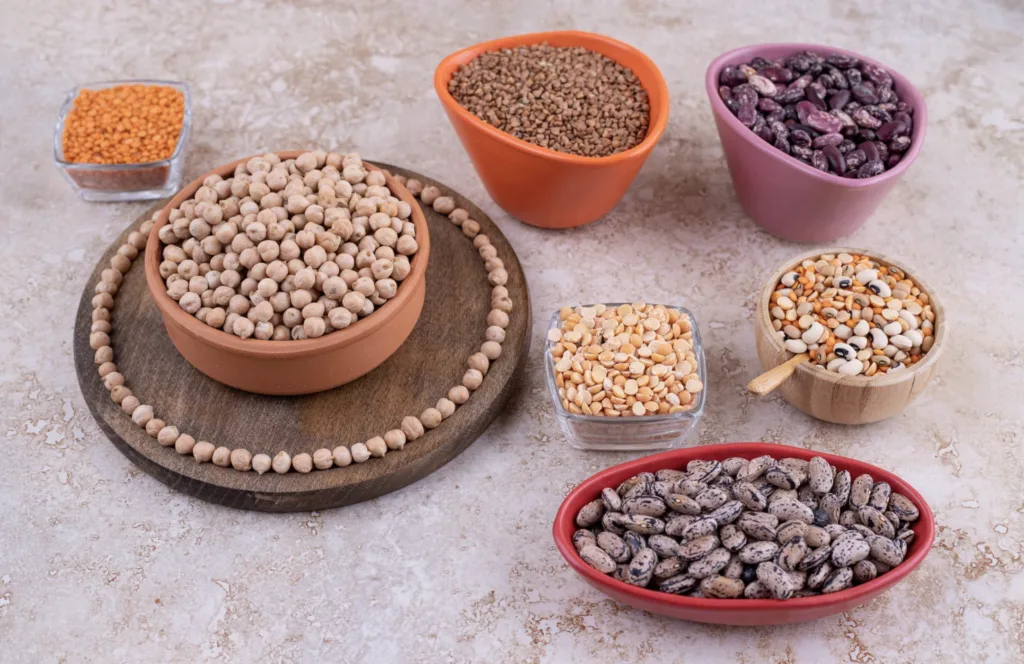
Lentils are one of the most useful high-fiber foods because they also help make meals feel substantial. They work in soups, bowls, curries, pasta sauces, and salads. Beans, peas, and lentils are consistently listed among strong fibre sources.
Easy idea: lentil soup with a side of fruit
3. Beans and chickpeas
Black beans, kidney beans, white beans, and chickpeas are easy to build meals around. They can bulk up lunches and dinners fast, especially if you want something affordable and practical.
Easy idea: chickpea salad wrap or black bean rice bowl
4. Berries
If you want a simple upgrade to breakfast or snacks, berries are one of the easiest places to start. They add fibre, sweetness, and volume without requiring much effort. Mayo Clinic’s high-fibre foods chart includes berries among useful fruit options.
Easy idea: Greek yogurt or soy yogurt with berries and ground flax
5. Apples and pears
These are some of the most practical fruit choices because they travel well, require almost no prep, and can turn a weak snack into something more filling.
Easy idea: apple with peanut butter or a pear with a handful of almonds
6. Vegetables that pull their weight
You do not need every vegetable to be a fibre superstar. A few reliable ones go a long way. Broccoli, Brussels sprouts, carrots, leafy greens, and similar options are easy to rotate into meals, and vegetables are one of the main plant-food categories that contribute.
Easy idea: add broccoli to pasta, bowls, or stir-fries
7. Popcorn
Popcorn is one of the most underrated high-fiber snack foods. It’s simple, inexpensive, and often more satisfying than snacks built around refined flour. Popcorn is also listed by Mayo Clinic among whole-grain style fibre choices, and gluten-free whole grains like corn and popcorn can be useful options for people avoiding gluten.
Easy idea: air-popped popcorn with a piece of fruit
8. Chia and ground flax
These are less about building a whole meal and more about upgrading what you already eat. A spoonful added to oats, yogurt, or smoothies is an easy way to increase fibre without much effort.
Easy idea: add ground flax to overnight oats or chia to yogurt
Simple High-Fiber Meal Ideas for Weight Loss
You do not need a rigid meal plan to make this work. A few repeatable meal ideas are usually enough.
Breakfast ideas
- oatmeal with berries and chia
- overnight oats with fruit
- yogurt bowl with oats and flax
- toast with peanut butter and fruit on the side
Lunch ideas
- lentil soup
- quinoa bowl with chickpeas and vegetables
- black bean rice bowl
- hummus and veggie wrap with fruit
Dinner ideas
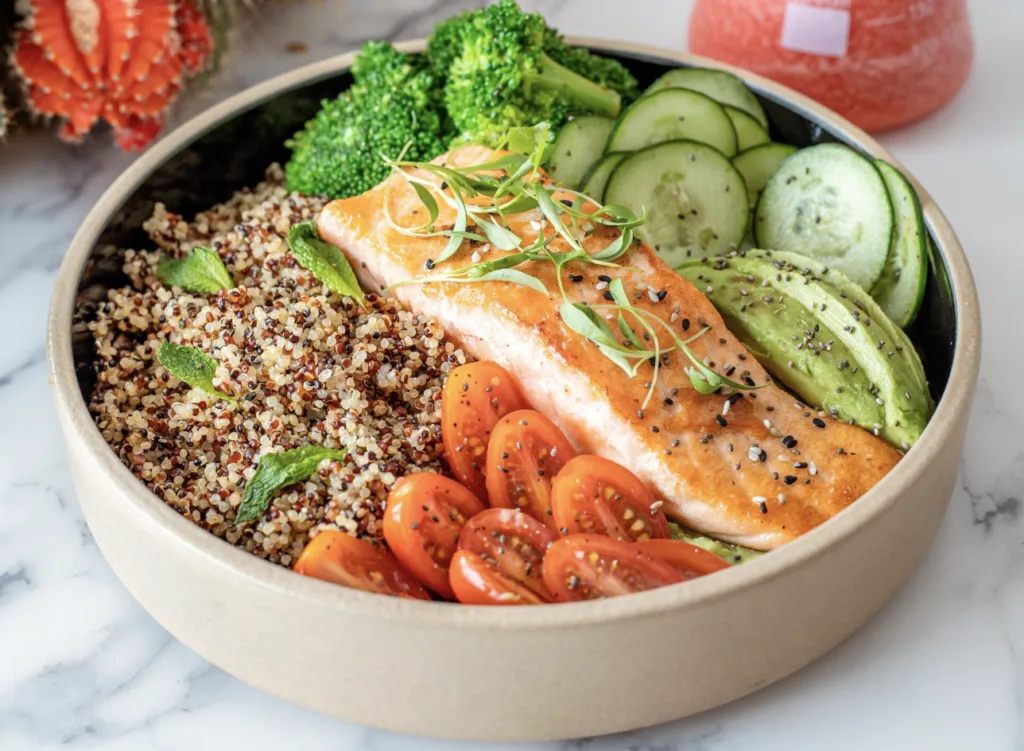
- salmon with potato and broccoli
- tofu stir-fry with brown rice and vegetables
- bean chili
- chicken or tofu bowl with quinoa and roasted vegetables
Snack ideas
- apple with nut butter
- pear and almonds
- popcorn
- berries with yogurt
- roasted chickpeas
Easy Swaps That Increase Fibre (Low Effort)
Sometimes the easiest approach is not adding special foods. It’s just upgrading what you already eat.
Try swaps like these:
- white toast → higher-fibre bread (Silver Hills)
- sugary cereal → oats
- snack bar → fruit and nuts
- plain rice bowl → rice and beans or quinoa and vegetables
- small side salad → bigger vegetable portion plus beans or chickpeas
These changes are simple, but they add up fast when you repeat them consistently.
Don’t Go From 0-100 Overnight
This is where people often make things harder than they need to be.
If your current intake is low, suddenly loading up on beans, bran, seeds, and huge salads can leave you bloated and uncomfortable. Guidance from NHS sources commonly recommends increasing fibre gradually and drinking enough fluids as intake rises, because sudden jumps can cause gas, bloating, and stomach cramps.
A better approach is to build up in steps:
- add one higher-fibre breakfast first
- upgrade one snack
- add beans or lentils to lunch a few times a week
- increase vegetables at dinner
- give your digestion time to adjust
Slow and steady wins the race!
Start With Your Target, Not a Random List
The reason food lists can feel overwhelming is that they don’t tell you how much fibre you’re actually trying to eat. That’s why it helps to start with a number.
Use our daily fiber intake calculator to get your target first. Then use this guide to choose foods that make sense for your preferences, routine, and meals. That is usually a lot more useful than trying to copy a perfect-looking plan from the internet.
FAQ
What are the best high fiber foods for weight loss?
Some of the most practical options include oats, lentils, beans, chickpeas, berries, apples, pears, broccoli, popcorn, chia seeds, and ground flax.
Which fruit is best if I want more fibre?
Berries, apples, and pears are all strong, practical choices because they are easy to eat regularly and work well in meals or snacks.
Are beans good for weight loss?
Beans can be a great option because they add fibre and can make meals feel more filling and substantial.
Is popcorn actually a high-fiber snack?
Popcorn can be a smart fibre-friendly snack, especially when it is air-popped and not loaded with butter or sugar-heavy coatings.
How can I eat more fiber without bloating?
Increase it gradually, spread it across the day, and make sure you are drinking enough fluids as your intake rises.